
Decoding Dubai's Unique Architectural Names
Intro
Dubai, a city that has captured the world’s imagination with its astonishing skyline, is not just a place of modern marvels; it’s a tapestry woven with history, culture, and ambition. The names of its most notable buildings tell the stories of its past, present, and aspirations for the future. Each structure, from the iconic Burj Khalifa to the intricately designed Museum of the Future, carries significance that transcends mere aesthetics.
As the emirate evolves, so does its architectural identity, which can be likened to a living organism, adapting and thriving amidst the ever-changing landscape of global trends and local ambitions. Understanding the intricacies and meanings behind these names provides more than just a glance at the architecture; it unveils the very spirit of Dubai itself.
In this article, we will explore the names of prominent buildings that dot Dubai’s skyline, dissecting their historical context and cultural relevance. This exploration can offer potential investors and residents a more profound understanding of the real estate market. Recognizing the narratives encapsulated in each building's name may assist in making informed decisions that align not just with market trends, but also with Dubai’s ever-evolving identity.
Through a detailed examination of market dynamics, investment strategies, and the rich tapestry of architectural naming conventions, this article seeks to provide a thorough understanding of how these structures represent more than just physical entities; they symbolize growth, aspirations, and the unyielding spirit of Dubai.
Prelims to Dubai's Urban Development
Dubai stands as a beacon of architectural ingenuity and urban planning, a city that has transformed itself from a modest trading port into a global hub of commerce and luxury. The urban development of Dubai reflects a unique blend of ambition, culture, and innovation, serving as a canvas where the intricate histories and future aspirations of its inhabitants are intricately woven. Understanding this landscape is crucial for several reasons, particularly for investors, expatriates, and homeowners seeking to navigate the ever-evolving real estate market.
The sheer scale at which Dubai has developed over the last few decades is nothing short of remarkable. The skyline, once dotted with low-rise structures, now boasts towering skyscrapers that tell stories of opulence and modernity. Each building is not merely a structure; it is a testament to Dubai's commitment to pushing boundaries. To fully appreciate the architectural significance of these buildings, one must consider the historical context that gave rise to them.
The Flourishing Trade and Economic Growth
Dubai's transformation is rooted in its strategic geographical position, making it a crossroads for trade between the East and West. The discovery of oil in the mid-20th century catapulted its economy, allowing for substantial investments in infrastructure. Such economic growth has continued to attract a myriad of businesses, accentuating the importance of commercial establishments within the urban fabric.
The Cultural Melting Pot
Dubai's urban development is not just about steel and glass; it’s infused with cultural relevance. The city has become a melting pot of traditions, with over 200 nationalities contributing their cultures to the landscape. This cultural diversity is reflected in architectural designs, where Islamic architectural styles blend seamlessly with contemporary design philosophies, creating a unique urban identity.
Urban Planning and Regulation
The rapid pace of growth necessitated a keen focus on urban planning and regulatory frameworks. The Dubai Urban Planning and Design Standards (UPDS) and other government initiatives have played pivotal roles in shaping the city’s architectural journey. These regulations ensure that new developments are not only ambitious in their designs but also harmonious with Dubai's cultural and environmental contexts.
The importance of urban development in Dubai cannot be overstated. It lays the groundwork for understanding each building’s name and significance by illustrating the aspirations and cultural underpinnings they embody.
As we delve deeper into the narrative of Dubai’s architectural landscape, examining the stories behind building names reveals layers of meaning that resonate with both local and global audiences. This journey promises to enrich our perspective on the impressive skyline that continues to evolve, as the city paves its way toward a prosperous future.
The Significance of Building Names
The names that adorn Dubai's architectural marvels are not just labels; they serve as gateways to understanding the complex tapestry of the emirate's identity. Building names often reflect cultural narratives, historical milestones, and even aspirations for the future. Every name carries a story, encapsulating the essence of what Dubai represents to its citizens and the world at large. For investors, homeowners, expatriates, agents, and developers, these names can provide valuable insights into the local market, guiding them in their decisions and understanding of potential investments.
Cultural Relevance
When navigating the city of Dubai, one can't help but notice how deeply the building names resonate with local traditions and values. For instance, the Burj Al Arab is not merely known for its distinctive sail-like shape but also epitomizes Arab hospitality and luxury. The architecture itself reflects cultural motifs, with intricate designs mirroring the region's heritage.
These names often evoke a sense of pride among residents and connect them to their roots. The use of Arabic terms alongside English reflects the emirate’s multicultural fabric, showcasing a blend of tradition and modernity. This cultural relevance in naming offers a unique dialogue that enhances the community's sense of belonging and identity.
Historical Context
Delving into the historical context surrounding building names reveals much about Dubai’s transformative journey. The Dubai World Trade Centre, for example, was one of the first skyscrapers in the region, representing the onset of rapid urbanization and economic growth in the late 20th century. Its name signifies not just its function but the aspirations of a city eager to establish its presence on the global stage. Further, names like Al Fahidi Historical Neighborhood emphasize the city’s commitment to preserving its heritage while embracing modernity. These names act as markers of time, providing a historical narrative that contributes to the understanding of Dubai’s evolution, underscoring milestones that have shaped its skyline and society.
Symbolic Meanings
The symbolic meanings behind the names of Dubai's buildings often hint at the values they embody. For instance, the phrase "The Address" in The Address Downtown suggests a prestige associated with being the focal point of urban life. Names can inspire ambitions, acting as a source of motivation for ongoing development and improvement.
Moreover, many structures are named after influential figures or concepts that resonate with the aspirations present within the community. This phenomenon isn’t merely about branding; it is intertwined with narratives that celebrate vision, resilience, and the transformative spirit of Dubai.
"Names are more than just identifiers; they are vessels of meaning that hold the power to tell a city's story."
Through understanding the significance behind building names, investors and residents can gain better appreciation for Dubai’s architectural legacy. Each name becomes a lens through which one can explore the city’s past, present, and future, deepening the connection to the landscape that defines this remarkable emirate.
Profiles of Iconic Skyscrapers
The skyscrapers that grace Dubai's skyline are more than just tall structures; they are embodiments of the city’s ambition and vision. Each building tells a story, one that not only reflects architectural prowess but also the evolution of Dubai as a global hub. Understanding these profiles offers valuable insights into the real estate market, urban development, and the cultural heritage that each name carries. When investors, homeowners, and expatriates look upon these towering giants, they’re not merely seeing walls and windows but an intricate tapestry of dreams and aspirations.
Burj Khalifa: A Tower of Ambitions
Standing at a staggering 828 meters, the Burj Khalifa is not just the tallest building in the world, it symbolizes the relentless pursuit of excellence. Completed in 2010, its sleek and futuristic design expresses the modernity and progress of the emirate. Designed by the renowned architect Adrian Smith from Skidmore, Owings & Merrill, the Burj Khalifa features a series of setbacks that create a spiraling form, akin to the Hymenocallis flower, emphasizing elegance and technical ingenuity.
"Burj Khalifa is a monument to human invention; it redefines the limits of architecture and engineering."
Investors view the Burj Khalifa not only as a luxury residential space but also a coveted commercial hub. The mixed-use development includes corporate suites, hotel accommodations, and observation decks that draw millions of tourists each year. The building's name encapsulates its spirit—Khalifa being a nod to the Emirati leadership, thus adding layers of cultural significance to its infrastructure.
Burj Al Arab: The Sail-shaped Luxury
Often referred to as the only 7-star hotel in the world, the Burj Al Arab gracefully rises above the azure waters of the Arabian Gulf, resembling a billowing sail. Since its opening in 1999, it has set the benchmark for luxury hospitality. The vision of architect Tom Wright was to create a structure that stands as a symbol of Dubai's opulence and innovation. With its distinctive silhouette, the Burj Al Arab doesn't just serve as a hotel; it’s an experience, offering personalized service that transcends expectations, making each guest feel like royalty.
The hotel features lavish suites, each offering panoramic views of the coastline. The name, "Burj Al Arab," translates to "Tower of the Arabs," highlighting its cultural significance and pride in Arabian heritage. This architectural marvel has become synonymous with luxury travel, positioning Dubai as a primary hotspot on the global tourism map.
The Address Downtown: Central Landmark
Nestled in the heart of the city, The Address Downtown is a striking skyscraper that adds to the pulsating cityscape of Dubai. Known for its contemporary style and strategic location adjacent to the Burj Khalifa, it’s both a residential and hospitality icon. Opened in 2008, it is designed to reflect modern living while capturing the essence of Middle Eastern aesthetics.
The Address Downtown serves as a prominent landmark for both locals and tourists, offering luxury services that include high-end retail options, dining establishments, and spa facilities. The name signifies a focal point of activity and sophistication within Dubai, making it a prime choice for investors looking for valuable property in a thriving urban environment.
Each of these iconic skyscrapers contributes significantly not just to Dubai's skyline but to its identity as a city where dreams take shape. Their names resonate with cultural and historical context, providing a deeper understanding of their importance in a rapidly evolving architectural landscape.
Noteworthy Cultural Institutions
In the vibrant tapestry of Dubai's extensive architectural landscape, notable cultural institutions stand as beacons of artistic endeavors and heritage preservation. These structures not only enhance the city's skyline but also foster a deeper appreciation of the arts, tradition, and multicultural dialogues. A study of these institutions reveals their pivotal role in localized and international cultural contexts. They serve as platforms for artistic expression and cultural interchange that resonate with residents and travelers alike, offering invaluable benefits.
Cultural institutions contribute significantly to the dynamic character of a city. They attract both tourists and locals, bolstering the economy while showcasing diverse artistic talents. In addition, they nurture an environment where local artists can thrive alongside international counterparts. This interplay between global and local art shapes Dubai as a melting pot of creativity.
Moreover, these buildings often harness architectural brilliance that speaks to the identity of the city itself. They each tell a story that adds depth to the urban experience and enriches the cultural identity of Dubai.
Dubai Opera: A Hub of Arts
The Dubai Opera stands not merely as a venue for performances but as a grand architectural achievement that embodies the spirit of innovation. Positioned in the heart of downtown Dubai, this cultural gem is designed in the shape of a dhow, a nod to the region's maritime heritage. The structure is a marvel of modern architecture, featuring a surface that seems to change color with the sun and at night it shines brightly against the city lights.
Fostering a vibrant arts community, Dubai Opera hosts a diverse array of performances, from opera to ballet to concerts. The venue has become a critical player in the global arts scene, drawing renowned talents and offering local artists a stage to shine. It promotes not just the fine arts but encourages educational programs geared towards youth in the arts.
Additionally, the geographic and cultural accessibility of Dubai Opera makes it an ideal gathering place for cultural exchange, demonstrating how art can bridge the gulf between different backgrounds and perspectives. Whether it’s a classic opera performance or an avant-garde musical show, the experience is more than mere entertainment; it’s an encounter with creativity that can inspire and provoke thought.
The Louvre Abu Dhabi: Bridging Cultures
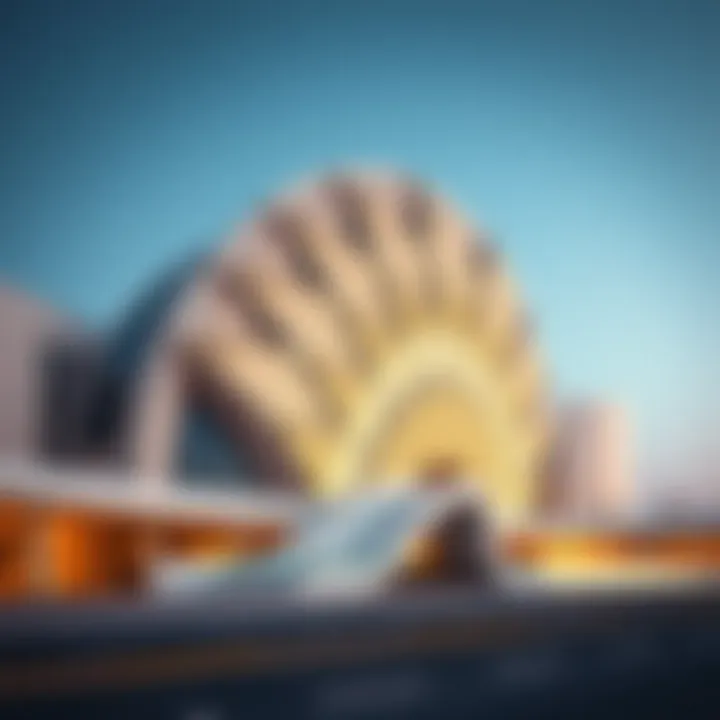
While technically in Abu Dhabi, the Louvre Abu Dhabi is intrinsically tied to Dubai's cultural evolution and serves as a notable example of how art and architecture coexist. The museum's unique design, conceived by architect Jean Nouvel, presents an intriguing interplay of light and space, creating an ambiance that is almost ethereal. Its spectacular dome filters sunlight in a dazzling pattern reminiscent of palm leaves on desert sand.
The Louvre Abu Dhabi plays a crucial role in bridging cultural divides, presenting artworks from various eras and geographies. Its curated exhibits are a synthesis of Eastern and Western arts, showcasing how universal human expressions can connect disparate cultures. The museum is a testament to Abu Dhabi's commitment to cultural diplomacy, fostering understanding and appreciation for global art.
Moreover, the educational initiatives offered by the Louvre serve to engage the younger generation, promoting interest in cultural heritage and artistic expression. Workshops, lectures, and guided tours all contribute to an enriching experience that goes beyond visual appreciation to provoke critical discourse about history and society.
Residential Marvels and Royalty
In any discussion of Dubai’s architectural splendor, residential marvels stand out not just for their stunning designs but also for their cultural and economic significance. This section explores some remarkable residential buildings in Dubai that embody luxury and prestige, adding depth to the narrative of the city's rapid growth.
These structures are more than mere domiciles; they symbolize the aspirations of dignified living and offer a glimpse into the lifestyles of the city's inhabitants. For investors and homeowners alike, understanding the residential landscape is essential for making informed decisions about properties that possess both value and prestige.
Dubai's residential architecture highlights a blend of tradition and modernity, showcasing unique styles that attract a diverse demographic. The importance of these buildings lies not only in their individual aesthetics but also in how they contribute to the urban fabric and quality of life in the emirate.
Palace residences: Living the Legacy
The palace residences of Dubai are epitomes of grandeur and history. Structures like Zabeel Palace illustrate the intertwining of royal heritage and modern-day luxury. These palaces do not just serve as homes for the emirate's royalty; they are a testament to the cultural identity and history of the region.
When one mentions palace residences, one cannot overlook how they represent the rich traditions of Emirati culture while also accommodating contemporary luxuries. The intricate designs, the extensive gardens, and the awe-inspiring entrances are all hallmarks of palatial living. Here are some key features of these magnificent residences:
- Architectural Elegance: Each palace embodies unique architectural details, influenced by Islamic art and local craftsmanship.
- Cultural Significance: They act as venues for official state functions, reflecting the UAE’s welcoming spirit.
- Investment Appeal: The prestige associated with owning or investing near such properties often results in high market demand.
These palaces serve as reminders of Dubai's rich historical narrative while reinforcing the emirate's commitment to preserving its heritage. The significance of the names attached to these properties often evokes feelings of respect and admiration, contributing to Dubai’s overall allure.
Emaar Beachfront: A Modern Approach
Emaar Beachfront presents a modern twist on luxurious living. This residential community offers breathtaking views of the marina and the Arabian Gulf, embodying contemporary architectural trends. Its name illustrates the approach towards branding in Dubai — enticing potential residents with an image of lavish seaside living.
Emaar Beachfront is unique not just for its strategic location but also for its offerings, such as:
- Sophisticated Amenities: Residents enjoy access to private beaches, swimming pools, and landscaped areas, merging leisure with a luxurious lifestyle.
- Diverse Property Types: The community includes high-rise apartments and townhouses, accommodating various lifestyles and preferences.
- Investment Potential: Due to its prime location and proximity to significant landmarks like the Dubai Marina and Downtown Dubai, properties in Emaar Beachfront promise steady appreciation in value.
"Emaar Beachfront is like a breath of fresh air amidst Dubai's dynamic skyline, redefining what it means to live by the sea."
In summary, Dubai’s residential marvels not only provide accommodations but also tell a story — one of luxury, cultural fusion, and economic vitality. Investing in such properties offers both immediate comfort and long-term value, making these living spaces one of the most coveted places in Dubai.
Commercial Giants and Business Hubs
The commercial giants and business hubs of Dubai are central to the narrative of the emirate's architectural landscape. These structures serve as the backbone of Dubai’s economy, crystallizing the ambition of transforming the city into a global business epicenter. When we look at the names of these buildings, they’re more than just labels; they encapsulate stories of innovation, resilience, and the thirst for opportunity in a rapidly evolving marketplace.
The significance of these hubs lies in their role as a nexus where trade, commerce, and culture converge. They offer investors and business leaders a glimpse into the thriving economic ecosystem of Dubai. As you wander through areas like the Dubai International Financial Centre, you'll find names that resonate with prestige and power. These buildings promise not just a corporate identity but a lifestyle anchored in luxury and modernity.
Emphasizing the essence of Dubai's economy, these structures are designed with functionality in mind, yet they stand out for their architectural beauty. They provide dynamic workspaces and are essential for company branding, enhancing the overall value of real estate in the area.
Dubai World Trade Centre: Center of Commerce
The Dubai World Trade Centre holds a profound place in the city's economic framework. Opened in 1979, it was a groundbreaking initiative that marked Dubai's entry into the global market. As the tallest building in the Middle East at the time, it symbolized the emirate's aspiration for excellence and advancement.
Containing a mix of exhibition halls, commercial offices, and conference spaces, this multifaceted venue is not just a building; it’s a vibrant ecosystem of trade. Each year, thousands flock here for various international fairs and exhibitions, highlighting Dubai’s role as a global trading hub. In terms of investment, properties in proximity to the World Trade Centre are often seen as high-value assets. Investors appreciate not just the potential for appreciation but also the high rental yields that come from businesses wanting to be in the thick of action.
"The World Trade Centre has facilitated connections between East and West like no other building in Dubai."
The architectural design of the World Trade Centre reflects years of expertise and foresight. Its design continually evolves to incorporate modern technology and eco-friendly initiatives, staying relevant in a world that is constantly shifting towards sustainability.
District: A Marketplace for Global Trade
Launched in 2002, the Dubai Multi Commodities Centre (DMCC) has rapidly risen to become a formidable player in global trade. Nestled in Jumeirah Lakes Towers, DMCC serves as a dedicated hub for commodity trade, fostering an environment that encourages collaboration and innovation. The name itself embodies its mission: it operates as a market where a diverse array of goods flow freely, from gold and diamond trading to agri-products and loans.
What makes DMCC distinct is its regulatory framework that attracts businesses from around the world. Companies registered here enjoy tax benefits and a business-friendly environment, making it an attractive option for foreign investors seeking new ventures. The area is further adorned with impressive high-rises, showcasing avant-garde architecture that draws both local and international eyes.
Living up to its reputation, DMCC isn’t merely a business park; it’s a mixed-use community that combines work-life balance effortlessly. This district hosts amenities such as restaurants, retail outlets, and leisure facilities, allowing professionals to blend business with pleasure seamlessly.
As a landmark, DMCC continues to shape perceptions on what Dubai can offer to the world. Its reputation as a thriving marketplace solidifies the city's status as a premier destination for investment and business opportunities.
In short, the essence of Dubai’s commercial giants, like the Dubai World Trade Centre and DMCC, elevates the emirate’s architectural grandeur while fostering economic prosperity, making them pivotal thus they merit close attention from investors, homebuyers, and expatriates alike.
Influences of Global Architecture
The architectural landscape of Dubai is not simply a reflection of local aesthetics or cultural heritage; it is a rich tapestry woven from global influences. The significance of this topic lies in understanding how international designs manifest in Dubai's prominent structures, showcasing a blend of creativity and innovation. The influence of global architecture has carved a path for the emirate to elevate its profile on the world stage, attracting investors, homeowners, and travelers alike.
At its core, Dubai's architectural identity embodies a synthesis of various cultural elements. The city uses design to promote its ambitions, with buildings serving as markers of progress and prosperity. Observers can notice how this architectural fusion not only caters to aesthetic appeal but also responds to local needs and environmental factors.
As investors and developers seek opportunities within Dubai, understanding these influences can illuminate trends that may dictate market values and desirability in real estate. Here are some of the fundamental aspects to consider when exploring the influences of global architecture on Dubai's landscape:
- Diversity of Styles: From Gothic revival to Modernism and beyond, various styles have been integrated into the city's architecture. This variety reflects the global interconnectedness that characterizes modern life.
- Technological Innovation: Many structures incorporate cutting-edge technology, enhancing safety, sustainability, and energy efficiency, which can be traced back to trends seen in cities like New York or Tokyo.
- Cultural Sensitivity: While embracing international styles, Dubai remains rooted in cultural context, often adapting these influences to align with local traditions and values. This balance fosters a sense of belonging and heritage amidst modern design.
"Dubai's architecture is indeed a melting pot, where every skyscraper tells a story of not only its maker but also the cultures that inspired it."
The Impact of International Designs
International designs play a crucial role in shaping the skyline of Dubai. Each meticulously crafted building is not merely an architectural statement but also a skin for various functionalities. Consider the Burj Khalifa, for instance.
This edifice, influenced by Islamic architecture, showcases elements from international designs, exemplifying how local traditions can coexist with global trends. Additionally, the innovative use of shading techniques and wind-resistant technologies found in this tower draws heavily on engineering advancements pioneered worldwide. Moreover, the incorporation of sustainable building materials highlights a growing commitment to eco-friendly practices that resonate with a global audience.
As the city continues to expand, the impact of international designs is evident, presenting opportunities for research and analysis concerning the future of urban development in Dubai. Investors can benefit from hindsight, studying previous successful structures to forecast the longevity and profitability of upcoming projects.
Cultural Fusion in Architecture
Cultural fusion is the heart of Dubai's buildings. The emirate stands as a testament to the beauty that arises when different cultural narratives intermingle. Consider how the Dubai Opera's design mirrors traditional Arabic architecture while integrating modern acoustics drawn from international principles.
This architectural phenomenon does not operate in a vacuum; it thrives in a global context.
- Historical Layers: Buildings like the Dubai Museum exhibit a blend of local heritage with international styles, thereby telling tales of past interactions between cultures.
- Aesthetic Appeal: The visual splendor of each structure often stems from various artistic influences, including vibrant colors, distinctive shapes, and unique materials found worldwide.
- Community Engagement: Cultural fusion fosters engagement, inviting diverse communities to partake in the shared spaces, enhancing social cohesion and mutual understanding among residents and visitors.
Understanding the nuances of this cultural intersection deepens our appreciation for Dubai's architecture and opens up new avenues for investment.
By acknowledging the influences of global architecture, one can navigate the city's vibrant real estate market more effectively, spotting trends and opportunities that others might overlook.
Sustainable Building Trends
Sustainability has become a crucial consideration in the architectural landscape of Dubai, where rapid urban growth often raises concerns about ecological impact. In a city known for its soaring skyscrapers and lavish developments, the push towards sustainable building trends is a welcome development. These trends illustrate not only a commitment to the environment but also practical benefits for investors, homeowners, and expatriates. Understanding these sustainable practices can provide valuable insights into the future of real estate within the emirate.
Innovative Eco-Friendly Designs
The essence of innovative eco-friendly designs lies in harmonizing architectural beauty with environmental stewardship. In Dubai, architects and developers are integrating various features that minimize energy consumption and reduce the carbon footprint. This includes the use of solar panels, green roofs, and advanced water conservation technologies.
- Passive Solar Design: Structures utilize natural light and ventilation to reduce reliance on air conditioning.
- Recycled Materials: Many buildings now incorporate recycled steel, glass, and concrete, minimizing waste.
- Landscaping: Green spaces within developments not only enhance aesthetics but also improve air quality.
Dubai's commitment to innovation is also evident in projects like the Dubai Sustainable City, where every element is designed to enhance sustainability. This urban development promotes self-sufficient communities through renewable energy sources, thus, being a model for future urban planning. The blending of nature and architecture is a trend that resonates well with both residents and investors who value environmental consciousness in their homes and workplaces.
The Role of LEED Certification
LEED, or Leadership in Energy and Environmental Design, has emerged as a standard for measuring building sustainability. In Dubai, raising awareness of LEED certification is vital not just for compliance but for attracting discerning investors. Buildings with LEED certification often enjoy numerous advantages that can influence real estate decisions.
"LEED-certified buildings are not only good for the planet, but they are also appealing to tenants and owners alike."
The certification process requires buildings to meet specific criteria, which could range from waste management practices to energy efficiency metrics.
Some benefits of LEED certification include:
- Increased Property Value: Certified buildings tend to fetch higher prices and rental rates.
- Lower Operating Costs: Emphasis on efficiency often leads to reduced energy and water costs over time.
- Attractive to Tenants: Many tenants are now prioritizing sustainability, making LEED-certified properties more desirable.
The growing presence of LEED-certification in Dubai's architectural landscape signifies a collective effort towards a more sustainable future. Understanding these factors is essential for anyone looking to invest or reside in Dubai, as the shift towards sustainability reshapes the real estate market.
Trends in Tourist Attractions
Dubai’s vibrant tourism scene is steadily evolving, largely showcased by an increasing array of attractions. This evolution is critical as it not only enhances the visitor experience but also influences the cultural and economic landscape of the city. For investors and developers alike, understanding these trends offers valuable insights into potential opportunities and the shifting demands of a global audience.
From exhilarating theme parks that lure thrill-seekers to expansive shopping malls that serve as social hubs, the city is constantly redefining what a tourist attraction can offer. The blend of entertainment and leisure within these spaces stands out as a key strategy to bolster Dubai's attractiveness as a destination.
Theme Parks and Entertainment Venues
Over the past few years, theme parks have erupted in popularity in Dubai, launching the city into a competitive market alongside Orlando and Paris. Parks such as IMG Worlds of Adventure and Dubai Parks and Resorts have marked a shift where entertainment is no longer just an option but a fundamental expectation. Visitors are not just looking for luxury resorts; they're chasing experiences that thrill and engage all ages.
- IMG Worlds of Adventure: This indoor theme park, sprawling across 1.5 million square feet, is divided into zones showcasing characters from Marvel and Cartoon Network. The park also includes several record-breaking rides and attractions.
- Dubai Parks and Resorts: This complex features multiple theme parks, including Motiongate, Legoland, and Bollywood Parks, creating a cultural fusion where international and local entertainment coalesce.
These parks contribute significantly to the city’s narrative. Each ride and attraction fosters a story about cultural integration and continuous innovation, enticing not just tourists but also local residents who seek top-notch recreational options.
Shopping Malls and Recreational Spaces
In addition to theme parks, the shopping mall phenomenon in Dubai has flowered into a unique blend of commerce and entertainment. Though many would consider shopping malls as mere retail spaces, in Dubai, they represent vibrant ecosystems. The Dubai Mall is a prime example, offering not just products but experiences. Here, families flock to the aquarium, spectators watch ice skaters, and visitors explore an extensive range of dining options.
- Features of Dubai Mall:
- Dubai Aquarium & Underwater Zoo: One of the largest suspended aquariums in the world, it mesmerizes visitors with its vast marine life displays.
- The Burj Khalifa: Even more, the mall serves as the entrance to the Burj Khalifa, providing breathtaking views of the tallest structure in the world.
These multifunctional developments are vital in creating spaces where community interaction thrives. The malls are not just a shopping destination; they're social hubs contributing to Dubai's multicultural identity.
"As Dubai continues to innovate its tourist offerings, understanding these trends allows stakeholders to align with shifting consumer preferences, positioning them ahead of the curve in this dynamic marketplace."
In considering Trends in Tourist Attractions, it is evident that the combination of theme parks and shopping malls significantly enriches the visitor experience while offering fresh avenues for investment and development. Such attractions not only reflect the aspirations of Dubai’s future but also emphasize the importance of creating spaces that build community, drive economic growth, and enhance the city’s standing on the world stage.
Regulatory Aspects of Building Names
The naming of buildings in Dubai is far more than a mere branding exercise; it operates within a framework of regulations and guidelines that bind the emirate's architectural identity. These aspects are pivotal for several reasons, including cultural representation, marketability, and compliance with local laws. For investors and homeowners, understanding these regulations not only aids in navigating the intricate real estate landscape but also aligns with the broader narrative of Dubai's architectural evolution.
Naming Conventions and Guidelines
Naming conventions in Dubai reflect a meticulous consideration of its diverse cultural fabric and heritage. Names often depict significant historical events, local traditions, or prominent figures that have shaped the UAE’s trajectory. For instance, buildings like the Sheikh Mohammed Centre for Cultural Understanding underscore the importance of promoting local heritage and dialogue among various cultures residing in the emirate.
Moreover, the guidelines set forth by the Dubai Municipality mandate that names must avoid inappropriate or controversial content. Simple, pronounceable names that resonate with residents and tourists alike are favored. The selection process often involves multiple stakeholders, ensuring that the name not only suits its physical attribute but also serves a greater purpose within the community. This structured approach guarantees that each name weaves into the tapestry of Dubai's past and future.
- Cultural Significance: Embedding tradition and history.
- Pronunciation: Ensuring names are easily articulated.
- Marketability: Choosing names that attract investors and tourism.
Censorship and Cultural Sensitivity
Censorship is an inevitable aspect of the naming process, particularly in a city as multinational as Dubai. Culturally sensitive naming considers the diverse demographics comprising the UAE’s population. The potential for misunderstandings or offense necessitates a careful approach to how names are framed. Unlike some global cities where a freely creative process may reign, in Dubai, there are strict guidelines that filter through cultural sensitivities and historical appropriateness.
For example, choosing a name connected to religious symbolism or contentious historical events can give rise to debates and unrest. Therefore, building names are often vetted to uphold an atmosphere of respect and harmony among the emirate’s residents.
In light of these sensitivities, names like the Al Ain Tower bring forth references to local geography instead of polarizing global events. This not only fosters unity but also promotes an appreciation of the region's culture among aspiring investors, foreign residents, and those looking to settle in Dubai.
"Names do much more than represent structures; they narrate the values and aspirations of a community."
With an understanding of these regulatory aspects, stakeholders can appreciate the significant thought that goes into naming Dubai’s architectural marvels, paving the way for informed decisions in real estate investments and community engagement.
The Evolution of Dubai's Skyline
The transformation of Dubai's skyline is not merely a series of architectural achievements; it symbolizes the emirate's rapid growth and aspiration. The blend of modernity and tradition in design reflects Dubai's ambition, making it a focal point for investments and tourism. This evolution informs investors, homeowners, and expatriates about the underlying themes in Dubai's real estate market, highlighting how the skyline shapes both cultural perceptions and investment opportunities.
Historical Overview
In the mid-20th century, Dubai was a modest fishing village, but its strategic location and burgeoning trade routes laid the groundwork for future expansion. By the late 1970s, structures like the Dubai World Trade Centre emerged as the first high-rise in the city, setting the stage for what was to come. The architectural shifts in the skyline can be traced through various influential projects:
- The Burj Khalifa, since its completion in 2010, has remained a beacon of modern aspirations and technological prowess. It is not just a skyscraper; it is an embodiment of the spirit of Dubai.
- Burj Al Arab, inaugurated in 1999, with its sail-like silhouette, represents opulence and luxury. This iconic structure has become synonymous with the Dubai brand itself.
- The establishment of the Dubai Marina in the early 2000s turned the city into a hub of contemporary living, showcasing both residential and commercial units that catered to a cosmopolitan life.
Such buildings are milestones that communicate not only where Dubai has been but also where it's heading. They signify a period when cities began to reshape themselves based not on traditional architectural norms but rather on futuristic ideas.
Future Developments on the Horizon
Looking ahead, Dubai continues to push architectural boundaries, aiming for sustainability while maintaining its status as a global metropolis. The upcoming Dubai Creek Tower, set to surpass the height of the Burj Khalifa, promises to further redefine the horizon. Additionally, initiatives within the Dubai 2040 Urban Master Plan emphasize the integration of green spaces and smart technology in urban design.
- Sustainable designs will become a key focus, as seen in developments like the Dubai Sustainable City, combining environmental consciousness with innovative living spaces.
- Projects like the Mohammed Bin Rashid City aim to create a blend of luxury and livability, with a wealth of amenities catering to modern families.
- There's a growing trend toward mixed-use developments, ensuring that residential, commercial, and recreational spaces coexist seamlessly.
The narrative of Dubai's skyline is still being written, and each new building name is a chapter that reflects the city’s ethos and ambitions. The architectural language of the future is likely to tell tales of innovation and cultural integration, as investors and residents alike look to engage more with spaces that resonate with the history and future of this remarkable city.
"As we look to the future, the skyline of Dubai serves as a canvas painted with dreams and ambitions. Each high-rise and structure carries a story of progress and a vision of what’s to come, guiding potential investment in uncharted territories.
Exploring Architectural Styles
Exploring architectural styles in Dubai reveals more than just aesthetics; it is a window into the city's soul. Each style narrates a story of the past, present, and aspirations for the future. This section highlights two prominent styles shaping Dubai's skyline—Islamic architecture and contemporary minimalism. The interplay between these styles reflects a broader narrative about cultural identity and modernity, essential for investors, homeowners, and expatriates navigating the complex real estate landscape.
Islamic Architecture in Modern Dubai
Islamic architecture plays a vital role in defining the urban fabric of Dubai. It is not simply a mere relic of history but a dynamic component that synergizes with modern techniques and materials. You see this influence from the delicate arabesques at the Jumeirah Mosque to the majestic domes gracing the skyline. Building designs maintain a distinct cultural relevance, marrying tradition with contemporary needs.
A striking feature of Islamic architecture in Dubai is the use of motifs and geometric patterns. These elements add an unmistakable charm and elegance, functioning not just decoratively but symbolically as well. The architectural principles are deeply embedded in cultural narratives, often often reflecting unity and faith.
Investors should pay attention to these buildings, as their unique aesthetic can enhance property value, attracting discerning buyers who appreciate historical significance along with modern comforts. The demand for properties that draw from Islamic design principles indicates a growing trend towards sustaining cultural architecture even as the city evolves.
"In a city marked by rapid growth, the presence of Islamic architecture serves as a reminder of Dubai's rich heritage and cultural resonance."
Contemporary Minimalism
Contemporary minimalism represents a departure from intricate designs, focusing instead on clean lines and functional beauty. It finds its voice in buildings such as the Alserkal Avenue, which houses contemporary art spaces functioning within simple conceptual frameworks. The style emphasizes the idea that less is more; stripping away the excess allows for functional and practical living spaces without sacrificing aesthetics.
This architectural approach resonates particularly with a global audience, especially expatriates and young professionals who often seek a lifestyle unified with simplicity. Minimalist buildings often feature high ceilings, open spaces, and large windows that invite natural light, providing a mental breather amidst the hustle and bustle of city life.
Sharing common ground with the ethical principles of sustainability, contemporary minimalism promotes energy efficiency through its designs. Investors looking for properties aligned with modern sensibilities will find that minimalism not only elevates aesthetic appeal but can also lead to lower operational costs, making these spaces attractive long-term investments.
In summary, both Islamic architecture and contemporary minimalism offer valuable insights into Dubai’s architectural narrative, making them important considerations for investors and residents alike. Understanding these styles aids not just in appreciating the buildings but also in making informed decisions about property investments in this dynamic city.
Links for Further Reading:
The Role of Art and Culture
Understanding the importance of art and culture in Dubai’s architectural landscape is crucial. This aspect does not just add decorum to buildings but serves as a reflection of the city’s identity, aspirations, and the multicultural essence that defines Dubai. Art and culture work hand in hand to communicate stories, values, and experiences, weaving them into the very fabric of the city. Visitors and residents alike can appreciate how the overlapping of these domains contributes to the appeal and dynamic character of Dubai's urban environment.
Aspects to consider include:
- Aesthetic Enhancements: Art installations transform ordinary spaces into extraordinary sites, enhancing architectural features and inviting engagement.
- Cultural Representation: Each artistic piece often represents various cultures residing in the emirate, promoting inclusivity.
- Social Interaction: Public artworks serve as meeting points, encouraging community interaction and collaboration.
These elements highlight that art is not merely an embellishment but a vital conversation starter within the urban context.
Art Installations in Urban Spaces
Art installations in Dubai are more than just eye candy; they are replete with meaning and purpose. Take the famous "The Tree of Life" at the Dubai Global Village, for instance. This monumental piece does not just capture attention with its grandeur but also symbolizes resilience and continuity, reflecting the region's deep connection with nature. Moreover, installations often utilize cutting-edge technology, like the dazzling light displays at the Al Wasl Dome, enhancing visitor experiences while engaging them with Dubai’s innovation narrative.
Other noteworthy installations include:
- The Dubai Frame: Representing a literal and metaphorical bridge between the past and future, offering visitors panoramic views of old and new Dubai.
- 8-Bit: A playful art piece that brings together retro gaming with modern aesthetics, showcasing the blend of cultures and eras.
"Art in public spaces fosters an identity and accessibility that allows everyone to participate in the cultural conversation."
Cultural Festivals and Events
Cultural festivals and events act as catalysts for community engagement in Dubai's vibrant tapestry. The annual Art Dubai showcases a plethora of modern and contemporary art, emphasizing local talent while attracting global artists. It not only celebrated art but also facilitated discussions on the region's artistic movements and socio-political contexts.
Additionally, events like the Dubai Shopping Festival provide a stage for cultural exhibitions and performances, drawing on the city's cosmopolitan makeup. Through these events, cultural expressions are shared, creating connections among diverse communities. Festivals often spotlight themes like:
- Multiculturalism: By highlighting various cultural traditions through workshops and performances.
- Creativity and Innovation: Encouraging dialogue on emerging trends and artistic explorations.
In essence, these cultural festivals and events are vital, reinforcing Dubai's status as a global city and nurturing its evolving identity. They foster unity, enrich the communal spirit and emphasize local and international collaboration.
Investment Opportunities within Notable Buildings
Investment in real estate has always been a focal point for individuals and businesses desiring to settle or expand in the UAE, especially in the vibrant region of Dubai. The skyline itself tells a story of ambition and opportunity. By focusing on notable buildings, investors can identify high-value properties that not only offer a roof over one's head but also serve as a solid source of income or equity growth. This segment thoroughly examines how the right investment choices in Dubai's architectural masterpieces can pave the way for enduring financial success.
High-Value Properties
In Dubai, high-value properties are not just listings on a real estate website; they represent a blend of luxury, cultural significance, and strategic location. Properties such as the Burj Khalifa, which captivates anyone’s attention with its towering height, or the Burj Al Arab, privately known for its distinct sail-like silhouette, attract not just tourists but savvy investors. In terms of purchase, these buildings often appreciate in value due to the continuous influx of expatriates, tourists, and international corporations.
When evaluating high-value properties, one should consider factors such as:
- Location: Proximity to business hubs or tourist attractions.
- Amenities: Features such as world-class hospitality and recreational facilities.
- Cultural Significance: A building steeped in historical or architectural importance often has a higher resale value.
- Future Growth: Areas that are under development or are on the verge of becoming trending districts can yield significant returns.
In this realm, investors not only gain access to high-end living but also align themselves with the prestige that comes with owning a piece of Dubai’s elite architecture.
Rental Yields in Landmark Locations
Investing in landmark properties within Dubai provides access to lucrative rental yields. The demand for rental units in prominent buildings remains robust—even amidst fluctuations within the real estate market. Tourists and business professionals often seek short-term rentals in notable buildings, while long-term expatriates look for residences in districts with a rich mix of culture and convenience.
Key aspects of rental yields in such prominent areas include:
- Consistent Demand: Popularity ensures that properties remain filled, reducing vacancy rates significantly.
- High Rental Prices: Properties in notable locations command higher rents due to their status.
- Cultural Appeal: Landmarks promote a sense of community and prestige, contributing to attractive living conditions.
- Accessibility: Well-connected office spaces and recreational areas lead to tenant satisfaction and retention.
Investing in rental properties not only provides a steady cash flow but also potential tax advantages and capital growth, appealing to both investors seeking security and those after rapid financial expansion.
"The skyline of Dubai is not just a visual spectacle; it’s a treasure trove of investment opportunities waiting to be unlocked."
In summary, investing in Dubai's notable buildings holds the promise of robust financial returns, cultural significance, and an unmatched lifestyle experience. By focusing on high-value properties and considering the implications of rental yields, investors can navigate the real estate landscape effectively, ensuring they are poised to capitalize on the ever-evolving architectural landscape.
Epilogue
As we draw the curtain on our exploration of Dubai's architectural names, it's essential to appreciate the foundations these monikers rest upon. They are not mere labels; they encapsulate stories, aspirations, and cultural values that reflect how Dubai has evolved over time.
Understanding the names behind the city's skyline offers several benefits for those keen to navigate this vibrant real estate market. For investors, familiar names often connote reliability and prestige. A property situated within or around a landmark can dramatically increase in value, not just for its architectural appeal but due to the reputation associated with its name. Likewise, homeowners and expatriates can find a sense of belonging and pride tied to living in places like Burj Khalifa or the iconic Burj Al Arab.
Considerations for Potential Residents and Investors
- Cultural Context: Each name holds significance. Knowing the stories behind names encourages a deeper connection to the community.
- Market Trends: Recognizing how certain names are perceived can provide insights into future growth and investment potential.
- Symbolism: Understanding the symbolic meanings behind the architecture and names can guide decisions related to lifestyle and aspirations in Dubai.
Understanding the architectural landscape in Dubai through its names is about more than just bricks and mortar. It’s about the country's journey from a small trading hub to a world-renowned metropolis. Each building is a chapter in this ongoing narrative, and decoding these names can reveal much about past achievements and future ambitions.
In summary, the significance of building names serves as a navigator's compass in this intricate economic landscape, shedding light on what lies ahead. By digging into the blur of concrete and glass, one uncovers the heart of Dubai—an ever-evolving tale of ambition and culture, waiting to be explored further.