
Exploring the Future Tower in Dubai's Urban Landscape
Intro
The Future Tower in Dubai stands as more than just a building; it's a signal of growth and ambition. In this skyline of wonders, the tower captures the essence of modern architecture while embodying the spirit of a city that never stops evolving. Amidst the fast-paced development and ever-increasing interest from investors and tourism, it becomes vital to dissect the layers behind the facade of this architectural giant. The insights that follow will serve as a navigational guide through the complexities of the property market, investment strategies, and the broader implications of this kind of real estate venture.
Market Trends
Understanding the market landscape for the Future Tower is essential for players in the real estate game—be they seasoned investors or first-time homebuyers. \
Current Property Prices
As of now, prices in Dubai's property market vary significantly depending on location, type of development, and amenities offered. In particular, properties around the Future Tower have seen a surge in interest due to its unique architectural appeal and strategic location. Typical price ranges can hug the spectrum from competitive mid-range options to high-end luxury listings.
- Luxury condominiums: Commanding prices of around AED 3 million to AED 15 million, depending on the size and view.
- Commercial spaces: These can range from AED 1,000 to AED 2,500 per square foot, showing promising ROI potential for businesses seeking a foothold.
Future Market Predictions
Forecasting market trends involves sifting through data, but what stands out is the consistent upward trajectory in demand for prime real estate in Dubai. Despite the occasional dip, the long-term outlook remains promising.
Several experts point to a few trends likely to shape the market:
- Sustainability: There's a growing appetite for eco-friendly buildings. Future Tower boasts features that cater to this trend, thereby enhancing its attractiveness.
- Tech Integration: With increasing digitization, properties that incorporate smart technologies are becoming more valuable.
- Cultural Tourism: The Future Tower also adds layers to the city's narrative, making it more appealing to tourists, which indirectly boosts property value.
"Understanding the local property market requires a good grasp of both the micro and macro factors at play. Investors should keep their ears to the ground."
Investment Strategies
When it comes to investing in a rapidly evolving landscape like Dubai, strategies must be as dynamic as the market itself. Here, investment goes beyond merely buying a property; it’s about crafting a vision for a stake in the future.
Smart Buying Tips
Navigating the intricacies of purchasing property near the Future Tower involves more than just a willingness to spend. Here are some smart tips:
- Research Thoroughly: With various resources such as Dubai Land Department at your disposal, gather data on past price performance and future projections.
- Inspect the Property: Make the effort to visit sites. Pictures can lie, but a firsthand experience gives a real sense of value.
- Consult Local Experts: Leverage the insights of local real estate agents who can provide valuable insights and guide you through the buying process.
Financing Options
Finding the right financing can influence overall investment success. Banks and mortgage lenders in Dubai often have attractive rates, especially for expatriates. Here are common options:
- Fixed-rate Mortgages: These are secure choices for long-term investment, locking in low rates for the loan duration.
- Variable-rate Mortgages: While these can start lower, there's an inherent risk with fluctuating rates that may impact affordability over time.
- Islamic Financing: For those inclined towards Sharia-compliant options, this can provide an excellent avenue for investment without incurring interest.
In summary, the Future Tower is not just a visual marvel; it's ingrained within the fabric of Dubai's constantly shifting property landscape. As trends evolve and opportunities emerge, the insights drawn from understanding its implications can pave the way for informed decisions moving forward.
Preamble to the Future Tower
When one thinks about iconic structures in the realm of architecture, the mind often wanders to the grandiose towers that epitomize innovation and ambition. The Future Tower in Dubai seeks to carve out its place among these modern marvels, not just through its envious height, but also via its strategic and cultural significance in a city that is ever-expanding. This article will explore the multiple facets of the Future Tower, delivering insights that are not only valuable for potential investors but also highlight how such an architectural feat impacts the urban tapestry of Dubai.
In a world where major cities continuously reshape themselves, the Future Tower stands as a symbol of cutting-edge design while also embracing sustainability and technological advancements. Understanding the importance of this tower means recognizing its role in Dubai's ongoing story of ambition and growth. This is particularly relevant for stakeholders such as investors, homeowners, expatriates, agents, and developers, who are keen to navigate the complexities of Dubai’s real estate landscape effectively.
Overview and Significance
The Future Tower is not merely a building; it is an emblem of Dubai's relentless pursuit of the extraordinary. Rising above the skyline, it represents a fusion of aesthetic appeal and pragmatic design, making it vital for attracting tourists and businesses alike. The tower embodies progressive architecture—the kind that not only aims for visual impact but also enhances the quality of urban living.
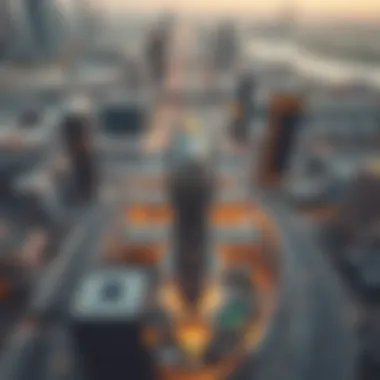

Key aspects of the Future Tower include:
- Architectural Innovation: The distinctive design challenges conventional aesthetics, setting a new benchmark in modern construction.
- Economic Catalyst: By attracting international business, it promises to strengthen Dubai's position in the global economy.
- Sustainability Integration: Emphasizing eco-friendly practices, the tower serves as a model for future urban developments, aligning with global sustainability goals.
Ultimately, the Future Tower acts as a nexus point where culture, commerce, and environmental consciousness converge. Drawing from its significance and overview, businesses and investors are drawn to tap into this multifaceted venture, realizing the immense potential it offers without losing sight of the urban culture that defines Dubai.
Location and Accessibility
Location is often deemed the 'ace' up a property’s sleeve, and the Future Tower is no exception. Nestled in a strategic sector of Dubai known for both commercial activity and cultural vibrancy, its setting offers more than mere geographical utility. It's about accessibility and connection, not just to the local populace but also to the global market.
- Proximity to Key Areas: Situated near major transit hubs, the tower ensures ease of movement for both residents and visitors. The connection to public transportation systems enhances the appeal for businesses looking to establish an office in the area.
- Tourism Hotspot: The surrounding districts are magnets for tourists, thereby increasing foot traffic and sales potential for any businesses operating within the tower.
- Infrastructure Development: The ongoing projects in and around the area offer a glimpse into the future of connectivity, including improved freeway access and digital connectivity.
In summary, the Future Tower’s location is cleverly chosen to optimize not only its functional utility but also to amplify its cultural and commercial relevance in a metropolis that thrives on innovation. For potential investors and businesses looking to seize opportunities in the real estate market, the significance of location, blended with architectural prowess, makes the Future Tower an enticing prospect.
Architectural Design
Architectural design plays a pivotal role in the planning and realization of the Future Tower in Dubai, encapsulating both aesthetic ambitions and functional necessities. As cities expand, the importance of innovative architectural design becomes even clearer; it doesn't just create a striking skyline but also fosters environments that enhance the quality of life for inhabitants and visitors alike. In this case, the architectural vision for the Future Tower aims to not only push the envelope of design but also integrate seamlessly with Dubai's dynamic urban fabric.
Inspiration and Concept
The inspiration behind the Future Tower draws from Dubai’s rich history and diverse culture, entwined with futuristic elements that resonate with the city’s identity. The design concept is a marriage of local traditions and global architectural trends, featuring fluid lines that mimic the natural landscape of dunes and waves.
Key elements of this concept include:
- Cultural Reflection: The tower's facade incorporates patterns inspired by traditional Islamic art, reimagined through contemporary materials.
- Vision for Tomorrow: Its silhouette is crafted to evoke a sense of aspiration and forward-thinking, with design aspects that reflect not just the skyline, but also Dubai’s ambitions as a global hub.
This interplay of tradition and innovation serves as a canvas that tells a story, allowing visitors to immerse themselves in the essence of what Dubai represents.
Sustainable Building Practices
Sustainability is more than a buzzword in contemporary architecture; it’s a vital consideration for looming structures like the Future Tower. Incorporating sustainable practices helps mitigate the environmental impact and results in long-term benefits for both the occupants and the city.
Some sustainable practices that are pivotal to this project include:
- Energy-Generating Features: The tower utilizes solar panels integrated into its design, allowing it to generate a portion of its energy needs directly from sunlight.
- Green Spaces: Vertical gardens and green roofs not only enhance the building's aesthetic but also improve air quality and provide natural insulation.
- Water Conservation Systems: Implementing greywater recycling systems ensures that water is reused wherever possible, supporting Dubai’s long-term goals for resource management.
Through these methods, the Future Tower sets a precedent for what modern construction should aspire to—an edifice that harmonizes with its environment while minimizing carbon footprints.
Technological Innovations
Embedded in the architectural vision of the Future Tower are an array of technological innovations that serve to enrich its functionality and user experience. Leveraging cutting-edge technology ensures that the tower is not merely another high-rise but rather a smart building that anticipates and responds to the needs of its users.
- Building Information Modeling (BIM): The design process employs BIM technology to allow for real-time simulations and modeling, thus enhancing the efficiency of construction and design adjustments.
- Smart Automation Systems: The tower features smart systems for energy management, lighting, and climate control, optimizing resource use while maximizing comfort for its occupants.
- Augmented Reality (AR): Visualizations created by AR allow potential tenants and investors to experience the building even before construction begins, thus facilitating better decision-making.
By embracing these innovations, the Future Tower not only elevates the architectural conversation in Dubai but also positions itself as a leader in the integration of technology into urban living.
In brief, the architectural design of the Future Tower is reflective of a careful balance between aesthetic aspirations, sustainability initiatives, and technological advancements, paving the way for a new era in urban architecture.
Construction Journey
The construction journey of the Future Tower represents more than just the physical erection of a skyscraper. It encapsulates the evolution of vision into reality, celebrating the convergence of innovative design and robust engineering. Understanding this journey is key for potential investors, homeowners, and stakeholders who seek to gauge the commitment and challenges involved in such an ambitious project. The complexities of constructing this tower not only highlight its architectural marvel but also reflect the economic, social, and cultural tides that influence such an endeavor in a rapidly developing city like Dubai.
Project Timeline


The construction timeline of the Future Tower is quite the tale. Initial blueprints were laid out before groundbreaking commenced in early 2021. With an ambitious goal set, the completion was targeted for 2025.
- 2021: Groundbreaking takes place, and initial site preparations begin.
- 2022: Foundation work progresses, including a significant focus on sustainability features that reflect the tower's modern ethos.
- 2023: The building structure begins to rise, garnering international attention as architectural innovations come to life.
- 2025: Target completion, opening the doors to the future of urban living in Dubai.
Each phase of the project is meticulously documented, allowing not just stakeholders, but anyone interested, to witness the ebb and flow of the construction process.
Challenges Faced
Every grand venture faces its hurdles. The Future Tower is no exception. Numerous challenges cropped up, demanding innovative solutions and steadfast determination. A few prominent obstacles included:
- Regulatory Hurdles: Navigating the labyrinth of local building codes required extensive cooperation with government entities, ensuring compliance while also pushing for forward-thinking amendments that fit the project’s vision.
- Environmental Concerns: Balancing the engineering needs with sustainability led to heated discussions among stakeholders, featuring mitigating strategies to ensure minimal environmental disruption.
- Supply Chain Issues: The pandemic's aftershocks affected material availability, forcing administrators to rethink procurement strategies and adjust timelines accordingly.
These challenges, while daunting, have led to a more refined approach in future projects, demonstrating adaptability amid adversity.
Key Contributors
The success of the Future Tower is attributed to a symphony of talents and minds working cohesively. Key contributors include:
- Architectural Firms: Renowned architectural firms led the design phase, blending artistic flair with functional needs, ensuring the tower not just towers over the skyline but also becomes an essential part of Dubai's narrative.
- Construction Companies: Collaboration with leading construction firms ensured that the project's complexities were managed effectively, marrying cutting-edge techniques with traditional craftsmanship.
- Government Agencies: Essential in providing necessary permits and facilitating the construction process, their role cannot be overstated.
“In every challenges lies an opportunity; we just need to be willing to look for it.”
Together, these contributors combined their knowledge and resources, crafting an edifice that tells a story of perseverance and innovation.
Economic Implications
The Future Tower in Dubai is more than just a stunning architectural feat; it stands as a testament to the economic ambitions of the city. Understanding the economic implications of this project is crucial for investors, homeowners, and stakeholders. This section delves into how this tower could change the landscape of the real estate market and pave the way for a tourism boom. The Future Tower represents the intersection of vision and opportunity, where investment meets urban development.
Impact on Real Estate Market
As the Future Tower rises into the skyline of Dubai, its influence on the real estate market cannot be overlooked. Developers and investors should pay close attention to several key aspects:
- Increased Property Values: The presence of iconic structures, like the Future Tower, often drives property prices up in the surrounding area. Investors can expect that demand for living and commercial spaces will surge as people flock to reside or do business near such a landmark.
- Gentrification of Surrounding Areas: With the development of this tower, there may be a ripple effect of gentrification. Areas nearby can see improvements in infrastructure and services, attracting a wealthier demographic, thus transforming the neighborhood both economically and socially.
- New Opportunities for Investors: This project brings an influx of potential commercial and residential opportunities. High-rise buildings typically offer a mix of retail, office, and living spaces, thus appealing to diverse investors. It’s common to see high returns in such dynamic districts.
This tower not only fuels optimism among investors but also stimulates local economies through construction jobs and increased consumer spending as new residents and visitors arrive.
Tourism Growth Potential
Another vital aspect tied to the Future Tower is the potential for driving tourism in the UAE. Observing how it can bolster the tourism sector brings several points to light:
- Attraction for International Visitors: The uniqueness of the Future Tower will likely attract global tourists eager to experience its design and versatility. As a new landmark in the already bustling Dubai skyline, it holds the potential to become a must-visit attraction.
- Hosting Conferences and Events: The tower can serve as a venue for various global events, conferences, and exhibitions. This not only promotes Dubai’s role in the international arena but also boosts hotel bookings and local businesses during major events.
- Cultural Significance: Beyond its economic advantages, the tower can be seen as a cultural landmark reflecting the growth of Dubai as a cosmopolitan hub. It symbolizes innovation and forward-thinking in the region, thus placing Dubai firmly on the global map of must-see destinations.
These factors contribute significantly to a forecasted increase in visitor numbers, positively impacting the overall economic landscape.
"The Future Tower not only symbolizes architectural brilliance but also signifies a new era for Dubai’s economic growth and transformation."
In summary, the economic implications of the Future Tower in Dubai run deep. Not only does it promise to enhance the real estate market, but it also aims to drive growth within the tourism sector. Investors and stakeholders alike should consider these dynamics to harness the full potential of this groundbreaking development.
Future Prospects
As we look toward the horizon, the prospects surrounding the Future Tower in Dubai reveal much more than just a structural entity; they encompass a vision for economic vitality and a cultural renaissance. The building isn’t just meant to stand tall but symbolizes what the future might hold for Dubai’s ambitious trajectory. By analyzing the anticipated elements, benefits, and considerations, investors, homeowners, and urban adventurers can pave their way into a thriving landscape.


Projected Economic Benefits
The economic potential of the Future Tower is staggering. As it rises from the ground, so too do projections related to job creation and investment opportunities. This tower is expected to be more than merely an architectural feat; it is poised to be a nucleus for business activities and productivity. Here are some notable points:
- Job Creation: With the construction phase alone, thousands of jobs will hit the market, spanning various skill levels from unskilled labor to specialized engineers and architects. This will provide ample opportunities for local residents and expatriates alike.
- Increased Property Values: The tower guarantees to uplift surrounding real estate prices. As more patrons and businesses flock to the area, nearby housing and commercial spaces are likely to become hotspots for investment.
- Tourist Inflow: The Future Tower is set to attract tourists, boosting revenues for local businesses like hotels, restaurants, and retail shops. With its unique design and cutting-edge features, it will become a must-visit landmark in Dubai.
- Long-term Economic Growth: Over time, the ongoing operations and activities within the tower promise to inject significant revenue into the local economy. This, in turn, can be reinvested into community projects and infrastructures, further propelling development.
The Future Tower is not just a monument but a catalyst for economic transformation.
Cultural and Social Impact
Rich cultural experiences enhance the lives of citizens and travelers alike. The Future Tower is anticipated to play a crucial role in fostering a vibrant cultural scene in Dubai, impacting social dynamics for years to come. Consider the following aspects of its cultural influence:
- Cultural Hub: Designed to host art exhibitions, performances, and community events, the Future Tower is expected to become a cultural magnet. It’s an arena where creativity can thrive, offering a platform for local artists and performers to showcase their talents.
- Community Engagement: This project emphasizes the importance of community, providing spaces for dialogue and interaction. By promoting social gatherings, the tower can help strengthen neighborhoods and expand social relationships among residents.
- Symbol of Heritage and Innovation: The architectural design will likely reflect both traditional Emirati elements and modern aesthetics, symbolizing the seamless blend of heritage and innovation. This can instill pride in local residents while attracting global admiration.
- Educational Opportunities: As it will host numerous institutions and learning centers, the tower can contribute to skill development and knowledge sharing. Educational programs can inspire the next generation, preparing them for future opportunities.
In summary, the Future Tower in Dubai represents a bold stride toward an economically and culturally enriched environment. As the construction progresses, the ripple effects will resonate, affecting various facets of life in this vibrant city.
Comparative Analysis
In the context of the Future Tower, conducting a comparative analysis serves a multifaceted purpose. This part of the article sheds light not only on how this ambitious project stands alongside similar structures in Dubai but also contextualizes its significance within global architectural advancements. By comparing the Future Tower with its contemporaries, stakeholders—be they investors, homeowners, or developers—can glean valuable insights into market potential and architectural innovation.
Understanding the strengths and weaknesses of similar projects assists investors in making informed decisions. It breaks down the landscape of real estate in Dubai, revealing trends that might be overlooked at first glance. Furthermore, examining the successes and setbacks of these comparable towers allows for a broader understanding of what bidders and potential buyers should look for in future investments. Such analyses contribute not only to economic perspectives but also to the cultural and social dynamics at play in the ever-evolving urban environment.
Similar Projects in Dubai
Dubai is renowned for its architectural feats, and the Future Tower won’t be an exception. Looking at similar projects, we can identify both parallels and distinctions that highlight the unique traits of our tower.
- Burj Khalifa: As the tallest building in the world, the Burj Khalifa set the bar high. Its sleek design and iconic stature have made it a focal point of tourism and business. The Future Tower, while not aiming for the title of tallest, seeks to carve its own prominence through innovative sustainability practices and a community-centric approach.
- One Za'abeel: This project aims to be the tallest building to feature a fully habitable building offset over a lower structure. Its ambitious design reflects an eagerness to push boundaries much like the Future Tower intends, focusing on modern technology and efficiency.
- The Crescent: Known for its unique waterfront placement and luxurious design, The Crescent caters to an elite market. The Future Tower, while offering exclusivity, also aims to appeal to a wider audience, merging residential and commercial spaces, which may set a new standard for urban living.
Each of these projects reinforces the necessity of a comparative lens. They encapsulate not only the artistic vision but also the market response and community adaptation. As developers look at the Future Tower, analyzing these projects affords a roadmap of sorts—indicating what works well, what doesn't, and what innovations might be the key to long-term success.
Global Architectural Trends
Architectural trends around the globe influence the trajectory of projects such as the Future Tower. On a broader scale, key shifts in design, sustainability, and technology reshape how structures are conceived and constructed.
- Sustainability: A growing emphasis on eco-friendly practices reflects a global shift toward sustainability. Green buildings are not merely a trend but a necessity as climate change propels the architectural community to rethink design constraints.
- Smart Buildings: The Future Tower is designed with technology at its core. Integrating smart technologies enhances efficiency and connectivity, aligning with trends where buildings double as both living spaces and digital hubs.
- Community-Centric Designs: There’s a noticeable shift towards creating spaces that foster social interaction and community engagement. The Future Tower, with its mixed-use facilities, embodies this trend, seeking not just to house individuals but to create a vibrant ecosystem where people converge.
- Cultural Resonance: Architects are increasingly aware of local culture and tradition. Structures now incorporate elements that narrate a story, connecting the building with the community. This approach resonates well in places like Dubai, where heritage meets modernity.
By inserting the Future Tower into the framework of these global trends, it becomes clear that its design is not just about aesthetics, but about responding to world challenges and sentiments. Investors taking notice of these evolving trends can strategize and align their interests accordingly, ensuring that the Future Tower is not just another building, but a landmark syncing with the needs of tomorrow.
Epilogue
The Future Tower stands as a defining symbol of Dubai’s ambition and vision for the future. Its design, construction, and economic implications provide a roadmap for understanding the complexities of modern urban development. In this article, the significance of investing in innovative infrastructure projects has been highlighted, offering insights that can guide potential stakeholders.
Summary of Findings
In reviewing each aspect of the Future Tower, we discern that this project is not simply about aesthetics or height; it embodies a broader narrative about Dubai’s role on the global stage.
- Architectural Significance: Its design challenges conventional boundaries, reflecting a bold aesthetic that resonates with Dubai’s identity.
- Economic Impact: We have seen that the tower is set to inject vitality into the local economy through job creation and increased tourism. As a focal point in the city's skyline, it draws not just visitors but also potential investors.
- Sustainability and Technology: The sustainable practices integrated into its construction phase reflect a commitment to balance innovation with environmental responsibility. This balance is crucial for attracting investors who prioritize ethical investments.
"Investment in architectural excellence is an investment in future prosperity."
Call to Action for Investors
Given the insights presented, potential investors should closely monitor the developments surrounding the Future Tower. Consider the following actions:
- Research Market Trends: Stay informed about shifts in the real estate market related to iconic structures like the Future Tower.
- Engage with Local Agents: Connecting with real estate experts in Dubai can open avenues for investment opportunities.
- Evaluate Long-term Growth: Look beyond immediate gains. The impact that such projects can have on urban development and tourism will likely yield benefits over time.
Investing in such monumental projects offers a unique chance to not just witness, but also partake in Dubai’s unfolding story as a global hub. This tower symbolizes the ambition and innovation that has driven the city’s growth, making it an enticing prospect for forward-thinking investors and developers.
For further exploration on topics relevant to investments and architectural trends, resources like Wikipedia, Britannica, and community discussions on Reddit offer valuable insights.