
Discovering the Charm of Karama Market in Dubai


Intro
Karama Market isn't just another shopping locale in Dubai; it's a living tapestry of the city's unique soul, vibrant cultures, and the pulse of daily life. Situated in the heart of Dubai, it brings together local residents and expatriates alike, creating a melting pot of experiences and goods that reflect both tradition and modernity. Strolling through its narrow aisles, one can hear the lively shouts of vendors, see the vibrant colors of spices and textiles, and savor the scent of freshly prepared street food wafting through the air.
This article takes you on a comprehensive journey through Karama Market, exploring not only its rich historical background and lively atmosphere but also the economic forces that make it a key player in Dubai's marketplace. With insights into various goods available, consumer behaviors, and investment opportunities surrounding the area, this guide aims to equip you with everything you need to know about this bustling market.
Market Trends
Karama Market is a reflection of the not just local demands but also the global economic trends affecting the region. Understanding the current environment can offer insights into the future, helping consumers and investors alike navigate this dynamic sector.
Current Property Prices
Currently, the real estate prices around Karama Market are witnessing fluctuations influenced by various factors including demand for commercial space and residential properties. Properties in this area typically range from AED 1,000 to AED 1,500 per square foot. In recent years, there’s been a surge in interest from investors, looking to capitalize on both the foot traffic from the market and the growing expatriate community. It's important to remember, though, that these prices can vary based on factors such as property condition and proximity to key amenities.
Future Market Predictions
Looking ahead, market analysts predict an upward trajectory for both property prices and consumer demand. With ongoing infrastructural investments and a vision towards sustainability, areas like Karama are expected to flourish. This growth will not only make it an attractive locale for new businesses but also enhance the residential appeal.
"The growth trajectory in areas like Karama creates opportunities for savvy investors to consider properties that might be undervalued today but will appreciate in value over time."
As Dubai continues to cater to a more diversified population, markets that combine heritage with modern amenities like Karama will remain at the forefront of this transformation.
Investment Strategies
Investing in properties near bustling environments like Karama Market requires more than just a sharp eye for prices and trends. It necessitates a deep understanding of the market dynamics and strategies to maximize your investment returns.
Smart Buying Tips
- Research the Market: Dive deep into the property trends, understand past price movements, and assess the potential for future growth.
- Visit the Market: Experience the hustle and bustle first-hand. This will give you a true sense of foot traffic and local demand.
- Consider Mix-use Properties: Residential-commercial hybrids can yield better returns.
- Network with Locals: Insights from local residents or businesses can yield valuable information that statistics might miss.
Financing Options
For those considering a property purchase near Karama Market, various financing options are available, including bank loans and government assistance programs. Many lenders offer competitive rates for expats, making it an attractive investment avenue. It’s beneficial to consult with financial advisors who specialize in property investments within Dubai to navigate your options effectively.
Understanding the financial landscape will not only assist you in making a well-informed decision but also pave the way for a lucrative investment.
As we navigate through the market's heart, looking into its unique offerings and economic dynamics, the real magic of Karama Market unfolds. Understanding these components makes it easier for investors and newcomers alike to appreciate its true value and potential.
Preamble to Karama Market
Karama Market is not just a place to shop; it’s a lively crossroads that captures the essence of Dubai’s eclectic nature. Nestled within the bustling urban fabric of this dazzling city, the market represents a blend of both modernity and tradition, appealing to a wide array of individuals from all walks of life. The significance of Karama Market goes beyond mere transactions; it serves as a cultural hub where residents and tourists mingle, creating a unique tapestry of shared experiences.
As one walks through the narrow lanes of the market, the scents of spices and street food tantalizingly waft through the air, creating an atmosphere that is both exciting and invigorating. The diversity of goods available, from traditional handicrafts to contemporary fashion, also reflects the cosmopolitan spirit of Dubai. Visitors not only relish the opportunity to find unique items but also engage in a form of social interaction that is at the heart of the community. Whether you are an expatriate searching for a taste of home, a local looking for bargains or a tourist wanting to soak up the local flavor, Karama Market offers a slice of life that is both refreshing and engaging.
This market acts as a mirror to the dynamic shifts within Dubai’s economy and culture, making it valuable for investors and entrepreneurs keen on understanding the local market landscape. What’s more, it becomes evident that the vibrancy of Karama Market is rooted in its ability to adapt while still preserving its heritage.
In summary, the key aspects of Karama Market include:
- Cultural Intersection: A melting pot where diverse communities converge.
- Bargaining Hub: Encourages social engagement through negotiation.
- Market Evolution: Reflects broader socio-economic changes within Dubai.
Exploring Karama Market offers not just an insight into local commerce but a glimpse into the rich social fabric of contemporary Dubai—making it an essential destination for anyone visiting this striking city.
Historical Context of Karama Market
Karama Market stands not just as a shopping destination, but as a vibrant tableau capturing the essence of Dubai’s rapid transformation over the decades. Understanding its historical context is crucial for anyone keen on grasping the dynamics of not only the market itself but also the surrounding community. This portion of our exploration will shed light on its origins and how it has evolved into a cornerstone of local commerce.
Origins of the Market
Karama's genesis dates back to the late 1970s, a period marked by significant development in Dubai. The area was largely undeveloped, characterized by simple structures and barren lands. As Dubai began to emerge as a global trading hub, the need for commercial spaces became increasingly apparent.
The market initially catered to local residents, focusing on providing essential goods and services. Street vendors peddled fresh produce, spices, and textiles, quickly attracting both local shoppers and visitors looking for bargains. In those early days, Karama Market represented a community gathering point where people could connect over chat, food, and commerce alike.
This organic emergence of the market mirrored Dubai’s own growth, as both evolved side by side. The diversity of products quickly expanded, catering to various tastes and preferences. It became a reflection of the melting pot culture that Dubai embodies, with merchants from various backgrounds setting up shop and weaving their unique styles into the fabric of the market.
Evolution Over the Years
Throughout the years, Karama Market has undergone numerous transformations, fending off the tides of change while still holding on to its local charms. One of the most significant shifts was the advent of modern shopping malls in the late 1990s and beyond, which posed a challenge to traditional markets like Karama. Many locals initially flocked to shiny new malls, tempted by the allure of air-conditioning and branded shops.
However, rather than succumbing to this competition, Karama Market adapted:
- Diversification of Offerings: Vendors began to expand their product lines; imported goods started to appear, and specialty shops catering to niche markets found their niche.
- Enhancement of Customer Experience: Many stalls redefined their approaches, introducing improved service quality and personalized shopping experiences that larger retail chains struggled to replicate.
- Cultural Festivals and Events: The market became a hub for various cultural festivities, attracting both locals and tourists, and fostering a sense of community continuity.
Today, it is not merely a shopping venue, but a lively, pulsating hub where the past and present intermingle. The bustling atmosphere embodies the spirit of Dubai’s eclectic culture, offering an authentic experience that many find increasingly hard to locate in hyper-modern settings.
"Karama Market is not just a marketplace; it is a living museum of Dubai's journey through time, showcasing how tradition and modernity can coexist harmoniously."
The enduring popularity and significance of Karama Market point to its ability to adapt and thrive in an ever-changing environment. This historical understanding lays the groundwork for a richer appreciation of its cultural and economic relevance today.
Cultural Significance
Karama Market is not just a shopping destination; it embodies the essence of Dubai's cultural fusion. The market serves as a hive of activity, where various cultures converge, providing both locals and expatriates a unique environment to experience the city's rich heritage. This section delves into the deep-rooted significance of Karama Market, examining its impact on the local social fabric and the way it harmonizes traditional elements with modern influences.
A Blend of Traditional and Modern
Karama Market remarkably illustrates the coexistence of tradition and modernity. While crossing the market's thresholds, visitors are greeted by colorful stalls gleaming with textiles, spices, and artifacts that hark back to older times. Handwoven carpets and intricately designed pottery stand shoulder to shoulder with contemporary fashion boutiques, showcasing an evolving landscape.
The fusion does not stop at goods; it extends to the culinary scene as well. Local eateries serve dishes that have been passed down through generations, alongside trendy cafes that cater to the fast-paced lifestyle of Dubai’s youth. As such, the market becomes a living gallery of the city’s soul, where age-old customs are honored while welcoming contemporary influences.
Such lively intersections spark conversations among shoppers and vendors alike. The ebb and flow of buyers create an atmosphere where cultural stories unfold, and the young find ways to connect with history through choices in food and fashion.
Influence on Local Community
More than just a marketplace, Karama is pivotal in nurturing a sense of community. For many residents, it serves as an everyday gathering point—a place to exchange not only goods but also stories and experiences.
Being centrally located in one of Dubai's most diverse neighborhoods, it caters to a variety of cultural backgrounds. The blend of locals and expatriates fosters an environment that encourages interaction and understanding, breaking down barriers that might otherwise exist between different societal groups.
Moreover, the market acts as a platform for local artisans and small entrepreneurs to thrive. Vendors proudly display their craftsmanship, contributing to the local economy while promoting cultural heritage. The survival of these crafts reflects a community's commitment to preserving its identity amidst rapid modernization.
"In Karama Market, every stall is a flicker of history, breathing life into the present, ensuring traditions are not forgotten."
The economic and cultural symbiosis that thrives in this marketplace nurtures a sense of belonging, making it not only a spot for shopping but also a center for cultural exchange and unity among the diverse populace.
Through these dynamics, Karama Market remains a crucial asset to Dubai’s identity, weaving a fabric rich in cultural significance, vibrant stories, and communal bonding.
Market Offerings and Products
Karama Market is a vibrant showcase of what Dubai has to offer, spanning from essential daily items to artistic treasures. This section delves into the diverse range of products available and highlights their importance in the context of local culture and consumer behavior. The market not only provides goods but also is a reflection of the area's unique identity, blending tradition with modernity, attracting various shoppers from both local and expatriate communities. A closer look reveals that the market offers both practical shopping experiences and a treasure chest of local crafts that tell a story.
Variety of Goods Available
In Karama Market, variety is the spice of life. The selection of products available is as broad as it is deep, catering to a wide spectrum of tastes and needs. Shoppers can find everything from spices, textiles, and electronics to traditional Arabic sweets and fresh produce. The fusion of cultures is palpable, with vendors displaying wares from multiple origins. This engaging assortment plays a crucial role in creating an inclusive atmosphere where everyone can find something that resonates with their own cultural background.
- Textiles are especially popular, showcasing vibrant colors and patterns that reflect the UAE's rich heritage. Shoppers often report the joy of going through heaps of fabric swatches that tell stories of a time long past.
- Spices and aromatics line the stalls, enveloping visitors in heavenly scents; here, one can purchase za'atar, saffron, and cardamom at competitive prices. The experience of buying spices is not just about the product but about engaging with vendors who are often eager to share their culinary knowledge.
- Electronics also have a significant presence, providing expats and locals with the latest gadgets, often at lower prices compared to traditional retail stores.
Overall, the variety of goods in Karama Market reflects the multicultural fabric of Dubai, making it an essential shopping destination.
Unique Local Crafts
When searching for a unique piece of art or a heartfelt souvenir, nothing quite compares to the local crafts found in Karama Market. Here, artisans showcase their creations, offering shoppers a chance to purchase items that combine functionality with artistic expression. These crafts include handmade jewelry, pottery, woodwork, and intricate embroidery, each piece exuding a distinctive flair that cannot be replicated.
- Handmade jewelry often features local gemstones and traditional designs. Each piece tells a story of cultural significance, making them perfect gifts that are imbued with meaning.
- Pottery items range from decorative pieces to functional kitchenware, all intricately designed, serving as both art and utility in homes. Shoppers frequently express how these items can serve as conversation starters in their own homes.
- Textile crafts, especially those with unique patterns or designs, are prevalent. They provide not only fashion but an avenue for artisans to express their skills while keeping tradition alive.
"In a world filled with mass-produced items, local crafts offer a breath of fresh air, reminding us of the beauty of human creativity and workmanship."
With each visit to Karama Market, one can discover handiwork that encapsulates the spirit of Dubai. Overall, the offerings in Karama extend beyond simple products; they embody the soul of a community dedicated to blending tradition with a modern marketplace in a way that celebrates cultural diversity and rich history.
Consumer Behavior in Karama
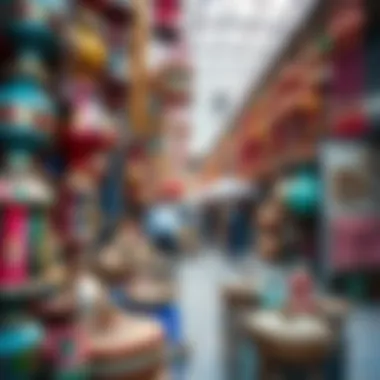

Understanding the consumer behavior in Karama Market offers invaluable insights into the dynamics that govern one of Dubai’s most popular shopping destinations. The market is not only a place to procure goods, but it also stands as a cultural crossroads where the interactions between local residents and expatriates unfold daily. Given the market's unique blend of traditional elements and the modernity that characterizes Dubai, observing how different demographics engage can offer a deeper understanding of the sociocultural fabric of the area.
The significance of this topic is multifaceted. On one hand, it highlights how local social norms, traditions, and cultural nuances shape shopping habits. On the other hand, it showcases the interplay between these locals and expatriates who bring diverse perspectives and preferences. By examining topics like purchasing habits, preferences, and attitudes towards negotiation, we can appreciate the market's role as a melting pot of cultures.
Local vs. Expatriate Shoppers
Karama Market attracts a wide spectrum of shoppers, with both locals and expatriates contributing to its lively ambiance. Each group comes with distinct motivations and shopping styles.
- Local Shoppers: Often, local residents exhibit a preference for purchasing everyday essentials, fresh produce, and traditional handicrafts. They tend to have established relationships with vendors and enjoy the familiarity of navigating through the aisles. Such shoppers are frequently up to date on market trends and are particular about quality and authenticity. They can be spotted haggling with vendors, using negotiation as both a practical means and a social interaction.
- Expatriate Shoppers: Contrarily, expatriates often seek unique products that reflect their desire for novelty. They might look for souvenirs or items that remind them of home or a new taste adventure. For some, exploring Karama Market is both a leisure activity and an opportunity to blend their cultural background with local experiences. This group can be more inclined to impulse buys, often driven by aesthetic and emotional value than by practical needs.
In simple terms, locals might value reliability and quality, while expatriates may place a premium on novelty and experience.
Patterns of Bargaining and Trade
The art of bargaining is ingrained in the culture of Karama Market. It’s not just a transaction; it’s a social experience. Both locals and expatriates partake in this intricate dance of negotiation, albeit with different expectations and outcomes.
- Negotiation Techniques: Vendors at Karama are seasoned negotiators themselves. They know that each customer has different expectations and are usually open to flexible pricing. Locals might use straightforward negotiation tactics. In contrast, expatriates might initially signal reluctance to haggle but often warm up to the idea as they anticipate striking a deal.
- Cultural Elements: How shoppers engage in bargaining can also reflect cultural norms. For instance, locals might approach bargaining through a more direct method, prioritizing honest communication. Expatriates, familiar with a Western approach to pricing, may take a little longer to navigate through the cultural nuances, making the experience unique for them.
- Conclusions Drawn: Across the board, the patterns of bargaining and trade lead to a more engaged shopper. It invites a level of participation that goes beyond a simple monetary exchange and fosters a sense of community and connection among vendors and shoppers. Each negotiation can build relationships, as trust plays a significant role in repeat business and fostering goodwill.
The interplay of consumer behaviors, the blend of local and expat shoppers, and the practices around bargaining make Karama Market a fascinating case study for those seeking to understand marketplace dynamics in culturally diverse contexts. Through this lens, we see that shopping is not merely about commerce—it's also about connection, tradition, and the beauty of human interaction in everyday life.
Economic Dynamics of the Market
The economic dynamics of Karama Market are crucial not only for understanding its current landscape but also for anticipating future trends. As a hub of commerce and culture, the market reflects a blend of supply, demand, and the vibrant interactions of diverse shoppers. Here, one can observe the ebb and flow of consumer activity, revealing insights into both the local economy and broader economic patterns in Dubai.
Importance of the Economics in Karama
Karama Market functions as a thermometer for the local economy. The market's vitality often mirrors the overarching economic sentiments felt broader in the city. Tracking consumer behaviors and spending habits within its bustling stalls can indicate economic health, potential growth areas, or impending fluctuations. This signals to investors that while the market is a cultural treasure, it is also a dynamic economic environment that necessitates close observation.
The market attracts a mix of locals and expatriates, making it a rich ground for gauging consumer preferences. This diversity means that offerings and pricing strategies must adapt to satisfy a broad audience. Investors and homeowners looking to make a mark around the Karama area should consider the nuanced buying power and behaviors of these groups.
Market Pricing Strategies
Pricing in Karama is far from flat or predictable. Vendors employ various strategies influenced by the competitive nature of the market and the diverse clientele. Here’s a closer look:
- Competitive Pricing: Many vendors aim to match or undercut competitors to entice shoppers. This often results in fast-changing prices for similar products. Buying local produce, souvenirs, or clothing may lead to noticeably different price points across stalls.
- Psychological Pricing: Vendors often price goods at Dh9.99 instead of a flat D0. This subtle difference taps into the psychological aspect of shopping where consumers are more inclined to view such pricing favorably.
- Bundle Deals: Many shops offer bundle promotions where buying multiple items can lead to a discount. This not only promotes sales but also encourages shoppers to explore more products than they initially intended to.
- Loyalty Discounts: Some vendors recognize frequent shoppers and provide special discounts or gifts, fostering customer loyalty and encouraging repeat business.
Understanding these strategies can significantly impact consumer choices and potentially guide new business approaches for investors or developers entering the Karama vicinity.
Competition and Market Forces
Competition in Karama Market is fierce, shaping the environment in which vendors operate and informing consumer choices. This vibrant marketplace brims with various goods, each vying for the attention of eager shoppers.
- Vendor Competition: The dense concentration of retailers means that vendors must continuously innovate or improve service quality to maintain an edge. The hallmark of success often lies in unique offerings or exceptional customer experiences.
- Economic Forces: Fluctuations in the broader economy, such as shifts in disposable income or changes in tourism, can directly impact how much people are willing to spend at Karama.
- Consumer Preferences: With a blend of diverse cultures, both traditional items and modern goods find favor. Vendors must keep their fingers on the pulse of changing tastes to stick around.
- Import Trends: The competitive landscape is also influenced by the influx of imported goods. As a global hub, Dubai's access to international products can pressure local vendors to adapt or enhance their own offerings.
Navigating this competitive environment requires a keen understanding of market forces.
"In a landscape where options abound, understanding competition is crucial for those looking to thrive."
Overall, the economic dynamics of Karama Market portray a complex interplay between diverse shopper needs, vendor strategies, and broader economic influences. Investors keen on the opportunities around Karama should maintain an eye on these trends as they unfold, paving the way for informed decision-making and strategic investments.
Navigating the Market
Navigating the Karama Market is more than just a stroll through shops; it’s an adventure through the heart of Dubai’s diverse cultural tapestry. For both seasoned shoppers and newcomers, understanding how to navigate this vibrant hub of trade can significantly enhance your experience. Amidst the bustling lanes, the challenge lies in discerning not only what to buy but also how to get the best out of your shopping journey.
Practical Tips for Shoppers
When you step into the Karama Market, it can feel a bit overwhelming at first. To ease this transition, arming yourself with practical strategies is essential. Here are some key pointers:
- Stay Alert: Keep your eyes peeled for signs telling you where particular goods can be found. Different sections have their unique flair, so having a sense of direction helps.
- Mind the Timing: The market can get crowded. Late mornings and evenings often witness a higher footfall. If you prefer a more relaxed shopping experience, aim for early mornings or weekdays.
- Bargaining is Key: Prices aren’t always set in stone. When haggling, establish a friendly rapport with vendors and remember that what might seem like a simple purchase can lead to deeper conversations. This local touch can enhance your shopping outing, making it more than transactional.
- Dress Comfortably: You’ll be on your feet for a while, so it helps to wear comfortable shoes. Plan for variable weather too, as Dubai’s heat can be intense, especially mid-day.


"Finding the right items in Karama requires patience and a keen eye. The best treasures often lie in the places you least expect."
Understanding Market Hours
Timing is everything when it comes to shopping in Karama Market. Generally, the market opens early and has varying hours, especially during weekends and public holidays. Generally speaking, the market operates from:
- Weekdays: 10 AM to 10 PM
- Weekends: 10 AM to midnight
However, many shops may open a bit earlier or stay open longer, especially those that cater to the local crowd or tourists during peak seasons. Always check individual store hours, as they can differ based on the time of year and specific operator choice.
Additionally, understanding the pace of the market can make a significant difference. Mornings are best for leisurely browsing, while evenings tend to be livelier, bringing a different energy altogether.
The art of navigating Karama goes beyond knowing where to go; it involves immersing yourself in a vibrant community experience where every corner offers something new. With the right mindset and strategies, your journey through this bustling market in Dubai can become a memorable chapter in your travels.
Future of Karama Market
The ongoing transformation of the Karama Market is a subject of great interest, especially for investors and business enthusiasts. Changes in the areas around the market signify not just a physical evolution, but also a cultural and economic shift. This section discusses anticipated developments alongside the impact of real estate trends that could affect the dynamics of the market.
Anticipated Developments
As Dubai continues its march toward modernization, Karama Market is slated for several enhancements. These improvements are set to elevate the shopping experience and attract a more diverse crowd. Here are some expected developments to keep an eye on:
- Infrastructure Upgrades: Anticipated renovations to nearby roads and public transport facilities aim to ease access to the market. More parking spaces and broader walkways will likely be designed to accommodate an increasing number of visitors.
- Revitalization Projects: Plans for redeveloping older buildings may introduce new retail concepts and possibly even dining experiences that reflect Dubai’s cosmopolitan nature.
- Cultural Events: Upcoming festivals and events targeting both locals and tourists could turn the market into a hub of cultural exchange. These events may showcase artisan crafts and local cuisine, attracting a broader audience.
While change is often met with resistance, the expectation is that these developments will breathe new life into the market, making it a viable spot for new businesses and invigorating existing ones.
Impact of Real Estate Trends
The surrounding real estate landscape will heavily impact the Karama Market's future. With urbanization on the rise, here are some considerations:
- Property Value Increases: As new buildings arise, property values in the area may begin to ascend steadily. Investors must stay alert to capitalize on potential increases in rental yields and resale opportunities.
- Shift in Demographics: An influx of expatriates and new residents could shift consumer profiles, fueling demand for a greater variety of products, from luxury items to everyday goods. This shift may lead existing vendors to adapt by diversifying their offerings.
- Market Gentrification: With development comes the risk of gentrification, which could alter the market’s traditional character. Stakeholders need to balance modernization with preserving the cultural essence that makes the market unique.
In summary, the future of Karama Market looks promising but will require careful navigation. Potential investors, homeowners, and local businesses need to remain engaged with these trends to fully understand how they can influence their strategies moving forward.
Real Estate Landscape Around Karama
The real estate landscape surrounding Karama Market is as dynamic as the market itself. This area not only reflects the bustling life of Dubai but also plays a crucial role in the city's property market. The significance goes beyond just geographical presence; it encapsulates investment potential, residential opportunities, and demographic shifts. With a quirky blend of tradition and modernism, investors and buyers often find themselves intrigued by what the area has to offer.
Property Investment Opportunities
Investing in properties near Karama is akin to striking gold within the vibrant tapestry of Dubai. Due to its proximity to various amenities, including shopping districts, parks, and cultural hubs, this locale attracts a diverse set of buyers. Whether it’s expatriates looking for their next home or investors hunting for their next venture, Karama opens doors wide.
- Accessibility: The area's convenience cannot be understated. With several public transport options like the Dubai Metro, commuting is a breeze, making it appealing for renters and owners alike.
- Growing Demand: Given the continual influx of expatriates, the demand for residential units is high. Potential buyers would do well to keep an eye on emerging projects that promise value appreciation.
- Variety of Options: From cozy apartments to larger homes, the variety meets different budgets and lifestyle needs. Many properties are steeped in character, echoing the traditional essence of the area while offering modern amenities.
"Investing in Karama isn't just about buying property; it's about tapping into a lifestyle and culture that continues to evolve."
Rental Market Insights
The rental market around Karama has its own set of dynamics influenced by local trends and international demands. For landlords and tenants, understanding these insights is vital in making informed decisions.
- Competitive Pricing: Rent prices in Karama tend to be competitive compared to neighboring districts. This factor often entices not only locals but also foreigners seeking more affordable living options without compromising on quality.
- Tenant Profile: The primary tenants in this area include expatriates and young professionals who are attracted to the vibrant lifestyle offered by the market. The mix introduces a cultural diversity that adds to the neighborhood’s charm.
- Short-Term Rentals: With many travelers seeking local experiences over traditional hotel stays, short-term rentals have gained traction. Investors looking to diversify their portfolios may find lucrative opportunities here.
Epilogue
The conclusion wraps up the journey through Karama Market, emphasizing its role as a vital center for both commerce and culture. As a destination that showcases the rich heritage of Dubai while embracing modern trends, Karama Market stands out for a number of reasons.
Firstly, the market reflects the dynamic nature of Dubai itself—where tradition meets innovation. This duality not only caters to the shopping needs of a diverse clientele, including locals and expatriates, but it also fosters a sense of community among its visitors.Accessibility of goods and the diverse cultural offerings make it an attractive hotspot for investors. With its unique blend of wares, from traditional crafts to contemporary items, the market ensures that there is something for everyone.
Moreover, understanding the consumer behavior at Karama Market offers valuable insights into broader economic trends in Dubai. Bargaining, which is often seen as a characteristic of Middle Eastern markets, showcases not only cultural practices but also the economic dynamics at play. Knowledge of how local versus expatriate shoppers navigate the market can be priceless for retailers aiming to thrive in this competitive environment.
In addition, potential investors looking at real estate in Karama should consider the market’s enduring popularity. As new real estate developments rise in the vicinity, the potential for increased foot traffic could significantly enhance property values. A keen understanding of the area’s bustling life will benefit anyone looking to make a smart investment.
To sum it up, Karama Market is not just a hub for shopping; it’s a vibrant tapestry that embodies the ongoing narrative of Dubai. The market’s lasting significance hinges on its adaptability, cultural richness, and economic implications—factors well worth consideration for anyone venturing into its charming streets.
"A marketplace like Karama illustrates that sometimes the best discoveries aren’t just the products you can touch, but the stories woven through them."